
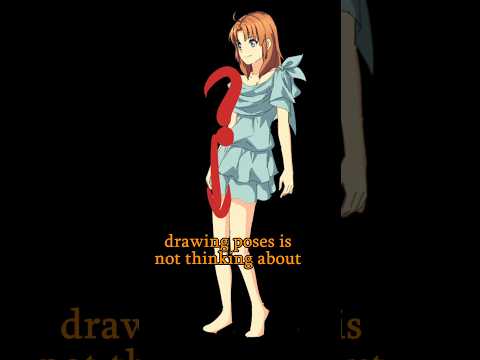
Drawing human anatomy can be a major challenge, even for experienced artists. One specific area where many creators struggle is capturing the natural flow and proportion of the lower body. Whether you are sketching anime characters or realistic figures, making a few subtle errors in leg structure can render a pose stiff, unnatural, or visually off-balance.
Understanding how to identify and avoid the most common mistake when drawing legs will immediately elevate your artwork and bring dynamic energy to your characters.
The #1 Mistake: Drawing Legs Too Straight and Rigid
The most frequent error artists make when drawing legs is treating them as straight, rigid columns. In reality, human legs are built with distinct anatomical curves, rhythmic angles, and weight-bearing flow.
When you draw legs completely straight without considering muscle structure, the character loses momentum and appears frozen. The thigh, knee, and calf form an alternating S-curve that flows naturally from the hip down to the ankle. Ignoring these organic shapes makes the anatomy look flat and robotic.
How to Fix It: Embrace Organic Rhythm and Gesture
To fix this issue and improve your figure drawings, shift your focus to movement and gesture before adding hard details:
- Start with Loose Gesture Lines: Sweep your pencil across the page to capture the motion and energy of the leg first. Avoid stiff, vertical strokes.
- Follow the Muscle Curves: Remember that the front of the thigh curves slightly outward, while the back of the calf bulges back. This creates a balanced, opposing rhythm that looks believable.
- Mind the Joint Angles: The knee is not just a flat separator; it connects the upper and lower leg at a slight angle depending on how the character distributes their weight.
By incorporating these anatomical curves into your initial sketching phase, you establish a strong structural foundation before refining your line work.
Final Thoughts
Mastering leg anatomy takes time, but correcting simple structural habits is the fastest way to grow as an illustrator. The key is to look for rhythm and gesture rather than stiff, isolated shapes.
Keep sketching regularly, study real-life anatomical references, and watch your character poses instantly transform from rigid to dynamic!


