
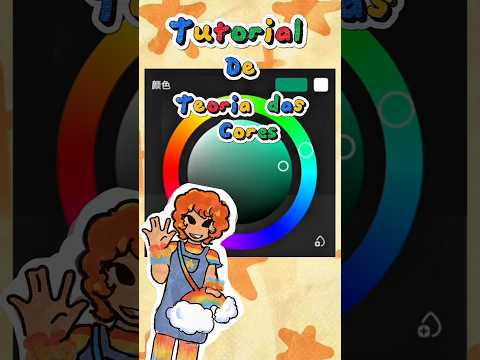
Whether you are stepping onto the digital canvas for the first time or looking to refine your creative workflow, mastering digital painting is an exciting journey. Today, the world of modern graphic art offers limitless possibilities for visual expression, seamlessly blending traditional artistic principles with innovative digital software. In this guide, we will break down the essential steps to help you create stunning digital artwork with confidence.
Setting Up Your Digital Canvas
Before diving into colors and details, you need a solid foundation. Choose digital illustration software that fits your style, such as Procreate, Adobe Photoshop, or Clip Studio Paint. Always start by establishing a high-resolution canvas so your artwork stays crisp and detailed, whether displayed on screens or printed.
Organizing your layers early in the process is a complete game-changer. Keep your initial rough sketch, line art, base colors, and shading on separate layers. This simple habit allows you to tweak individual elements without destroying your previous progress.
Mastering Color and Lighting
Color choice and lighting give life and emotion to any piece. When developing your graphic art skills, focus heavily on understanding how light interacts with different shapes, surfaces, and textures.
- Base Colors: Apply flat, solid tones beneath your sketch layer to establish your visual palette.
- Shading: Utilize soft brushes for smooth, gradual shading and hard brushes for sharp, directional shadows. Always keep your primary light source in mind.
- Highlights: Add vibrant highlights to key focal points to give your artwork a realistic three-dimensional depth.
Refining Details and Blending
The real magic happens during the polishing stage. Take time to blend your transitions naturally using textured brushes that simulate traditional painting media. Small details—such as soft rim lighting, subtle color variations, and highlights in the eyes—can elevate a basic painting into a professional illustration.
Practice and Experimentation
Improving your digital painting technique requires patience and consistent practice. Do not hesitate to experiment with different layer blend modes, try unique brush sets, and study techniques from digital artists you admire. Over time, your graphic art will naturally evolve, helping you develop a signature artistic style that truly stands out.


