
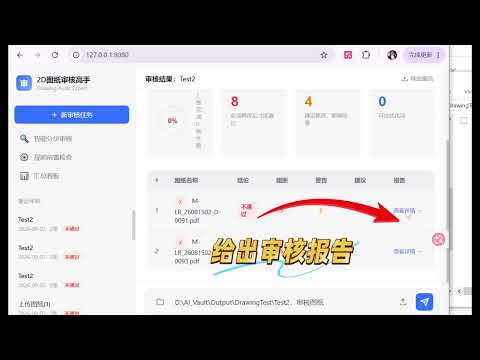
Manual drawing reviews have long been a bottleneck in mechanical engineering and manufacturing. Checking complex technical drafts by hand is notoriously slow, tedious, and highly prone to human error. A single oversight—such as closed dimension chains, over-tight tolerances, or missing critical specifications—can lead to costly scrap, reworked parts, and delayed production timelines. Fortunately, modern automation is transforming how engineers handle quality assurance.
The Hidden Costs of Manual Inspection
In a fast-paced production environment, engineers often spend hours scrutinizing technical blueprints. Reviewing every intricate 2D drawing manually not only consumes valuable design time but also increases the risk of fatigue-driven mistakes. Common issues like over-dimensioning or conflicting tolerance stacks are easy to miss with the naked eye, yet they create massive headaches once the part reaches the shop floor.
How Automated Drawing Audit Tools Change the Game
Automated drawing audit software eliminates the guesswork from the verification process. By leveraging smart algorithms, these expert tools instantly scan mechanical drafts to ensure total accuracy. Key benefits include:
- Instant Error Detection: Automatically flag closed dimension chains, conflicting callouts, and over-tight tolerances before files are released.
- Standardization and Compliance: Ensure every mechanical 2D drawing adheres strictly to company standards and ISO/ASME drafting guidelines.
- Massive Time Savings: Reduce review cycles from hours to seconds, allowing engineers to focus on design innovation rather than tedious proofreading.
Boost Accuracy and Efficiency in Your Workflow
Adopting an automated audit solution guarantees consistent quality while drastically cutting down time-to-market. By catching potential manufacturing flaws early in the design stage, companies save thousands in avoidable production costs. Upgrade your engineering pipeline today and transform how you inspect every 2D drawing for a smoother, error-free manufacturing process.


