
When bringing a new product to life, choosing the right visualization approach can make or break your project workflow. Two of the most foundational methods used in engineering and manufacturing are flat drafting and volumetric modeling. But what is the actual difference between these two techniques, and how do they impact product development? Understanding the distinct role of a 2D drawing in modern design is crucial for engineers, creators, and manufacturers alike.
What is 2D Drawing?
A 2D drawing is a flat, two-dimensional representation of an object defined by length and width (the X and Y axes). Traditionally drafted on paper and now generated using CAD software, these technical schematics showcase an object from flat angles, such as top, side, and front orthographic views. They serve as the definitive contract for manufacturing, providing explicit details like dimensions, geometric tolerances, surface finishes, and material specifications.
What is 3D Designing?
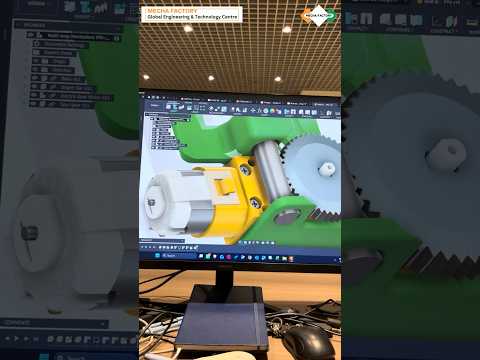
In contrast, 3D design incorporates a third axis: depth (the Z axis). A 3D model builds a complete digital prototype of a physical object within a virtual space. This allows designers to view, rotate, and inspect the product from any angle. Beyond visual clarity, 3D modeling enables advanced physical simulations—such as stress testing, volume calculations, interference checks, and motion analysis—long before physical production begins.
Key Differences: Visualization, Functionality, and Workflow
While both approaches are indispensable, their primary strengths differ across several areas:
- Dimensionality: 2D formats depict structural plans on a flat plane, while 3D designs offer real-world spatial awareness and realistic depth.
- Visualization: Stakeholders with non-technical backgrounds generally find 3D models intuitive, whereas technical schematics require training to read accurately.
- Error Detection: Interactive 3D assemblies make it easy to spot overlapping parts and assembly mistakes early, reducing expensive design revisions.
How They Work Together in Product Design
Rather than competing, these two methodologies complement each other within the design pipeline. A modern project typically starts with visual concepts in 3D to refine aesthetics, fit, and function. Once the digital model is finalized, designers export technical blueprints from the computer model. Producing an accurate 2D drawing from the completed 3D geometry ensures machinists and fabricators have the exact mechanical details needed on the shop floor.
Final Thoughts
Both 2D drafting and 3D modeling are vital pillars of modern engineering. While 3D design empowers rapid prototyping and realistic visualization, technical flat drawings remain the gold standard for clear manufacturing documentation. Mastering both tools allows product design teams to innovate faster while ensuring accuracy at every stage of production.


