
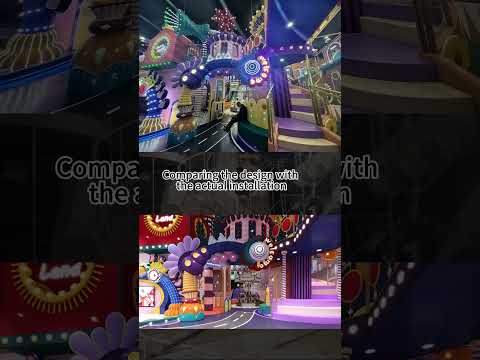
When millions of dollars are on the line for a major architectural development or commercial renovation, certainty is everything. Investors and project managers rely heavily on visual assets to make critical financial decisions long before construction begins. However, a common question persists in the industry: Does the finished project actually match the initial 3D rendering?
Bridging the gap between conceptual visual representations and the final physical installation is one of the most critical aspects of project execution. Here is what investors need to know to ensure their visual models translate seamlessly into reality.
The Role of High-End Visualization in Risk Mitigation
Modern architectural visualization has evolved far beyond basic floor plans. High-fidelity 3D rendering allows investors to experience a space, evaluate materials, and test layout concepts virtually. It serves as a unified blueprint for stakeholders, aligning designers, contractors, and financial partners around a shared result.
Beyond marketing and design approvals, precise renders help identify potential spatial errors, structural conflicts, and aesthetic inconsistencies during the pre-construction phase. Catching these challenges on screen rather than on the job site saves significant capital and prevents costly project delays.
Why Discrepancies Happen (And How to Prevent Them)
Even with advanced technology, gaps between the virtual model and the physical build can occur. These discrepancies usually stem from three key issues:
- Material Substitutions: Replacing specified luxury materials with alternative products during the procurement phase.
- Unrealistic Lighting or Proportions: Digital designs that rely on exaggerated lighting effects or non-standard dimensions.
- Execution Breakdown: Lack of ongoing communication between the visual designers and field contractors.
To protect their investment, stakeholders must ensure that the design team uses exact product specifications, true-to-scale geometry, and real-world lighting parameters. When 3D rendering is tied directly to actual material sourcing and engineering data, the risk of visual mismatch is virtually eliminated.
Final Thoughts for Investors
Ultimately, a render is only as valuable as the execution behind it. When backed by rigorous project oversight and detailed procurement planning, modern visual tools serve as a dependable roadmap to success—ensuring your high-stakes project delivers exactly what was promised.


